My Path Into Sisal Weaving

From a single dried leaf to woven pieces that outlast trends — this is how it happened.

I started with one sisal plant, a dull knife, and no idea what I was doing. Seven harvests later, the technique finally felt like muscle memory. Now I run a small studio where every placemat, coaster, and trivet is hand-woven from fiber I process myself. No shortcuts, no synthetic blends, no factory finish.

See the Work

Browse finished pieces and find something that fits your table.

View portfolio
A slow build, measured in seasons rather than funding rounds.

How the Studio Took Shape

Est. 2017 5 entries
Start
2017

First Sisal Harvest

I planted a row of sisal along a fence line and waited eighteen months for the leaves to mature. The first batch of fiber was coarse, uneven, and completely unusable. I kept it anyway.

Milestone
2019

First Sellable Piece

After two years of ruined weaves and snapped warp threads, I produced a single trivet that did not unravel. A neighbor bought it for fifteen dollars. That sale changed everything.

Growth
2021

Studio Space Secured

A small shed on the property was converted into a dedicated weaving space with proper ventilation for drying fiber and enough room for two floor looms.

Process
2023

Technique Refined

I developed a three-step softening process that makes sisal pliable enough for tight, intricate patterns without sacrificing its natural durability.

Now
2025

Current Collection

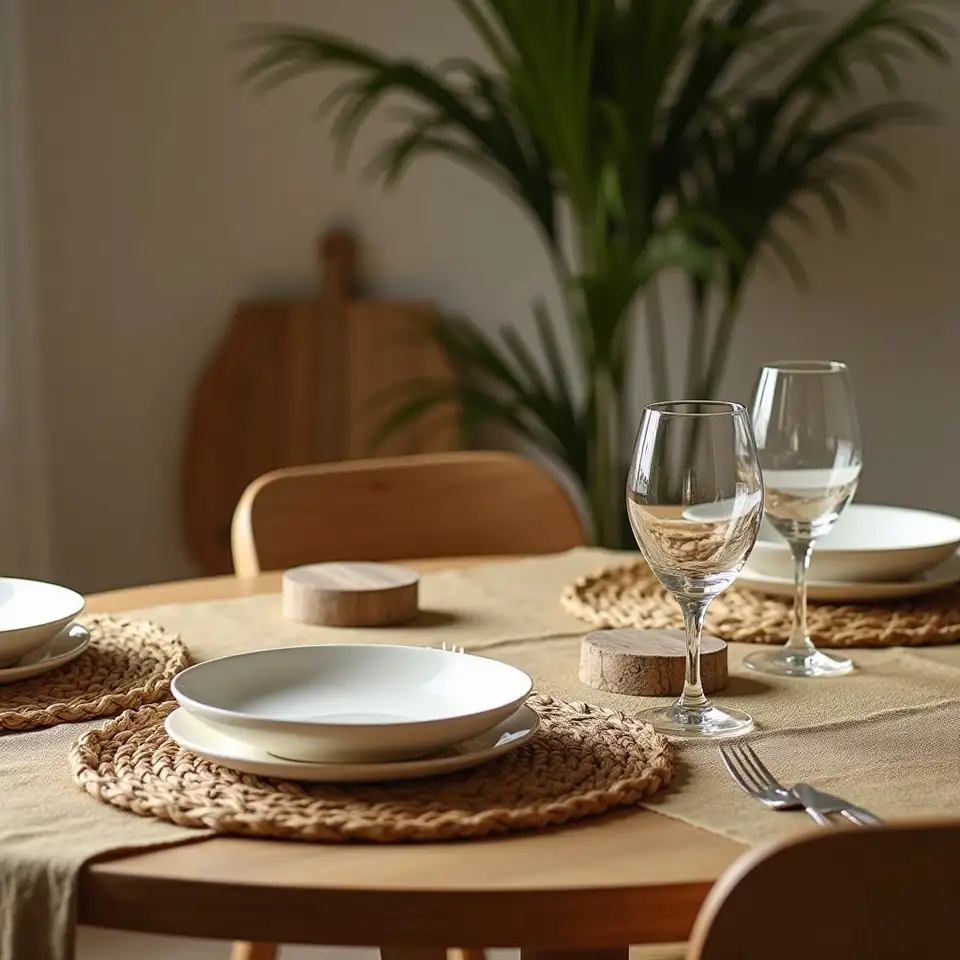
The studio now produces a focused range of placemats, coasters, and trivets, each woven from fiber processed on-site and finished without chemical sealants.

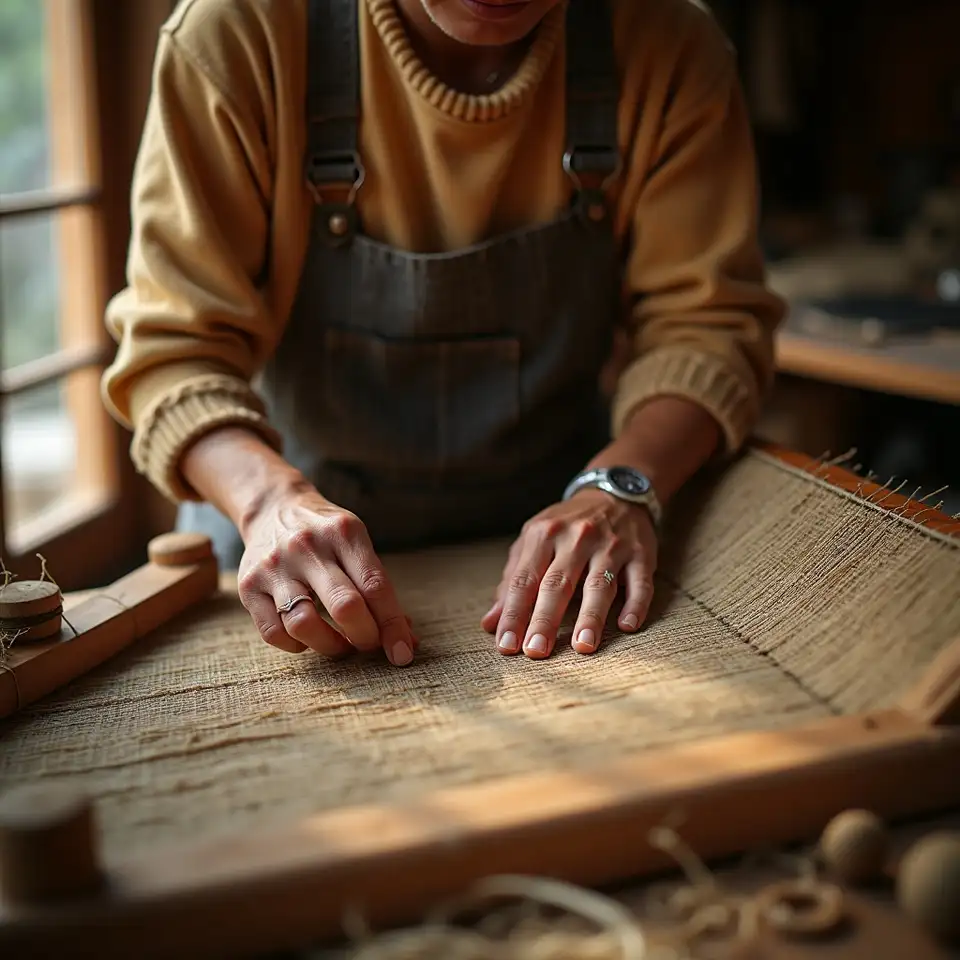
Hands working sisal fiber on a wooden loom in natural light

Slow Craft

Speed is not the point. A placemat that takes three days to weave will survive three decades of Sunday lunches. I would rather make fewer pieces and make them right.

No Waste

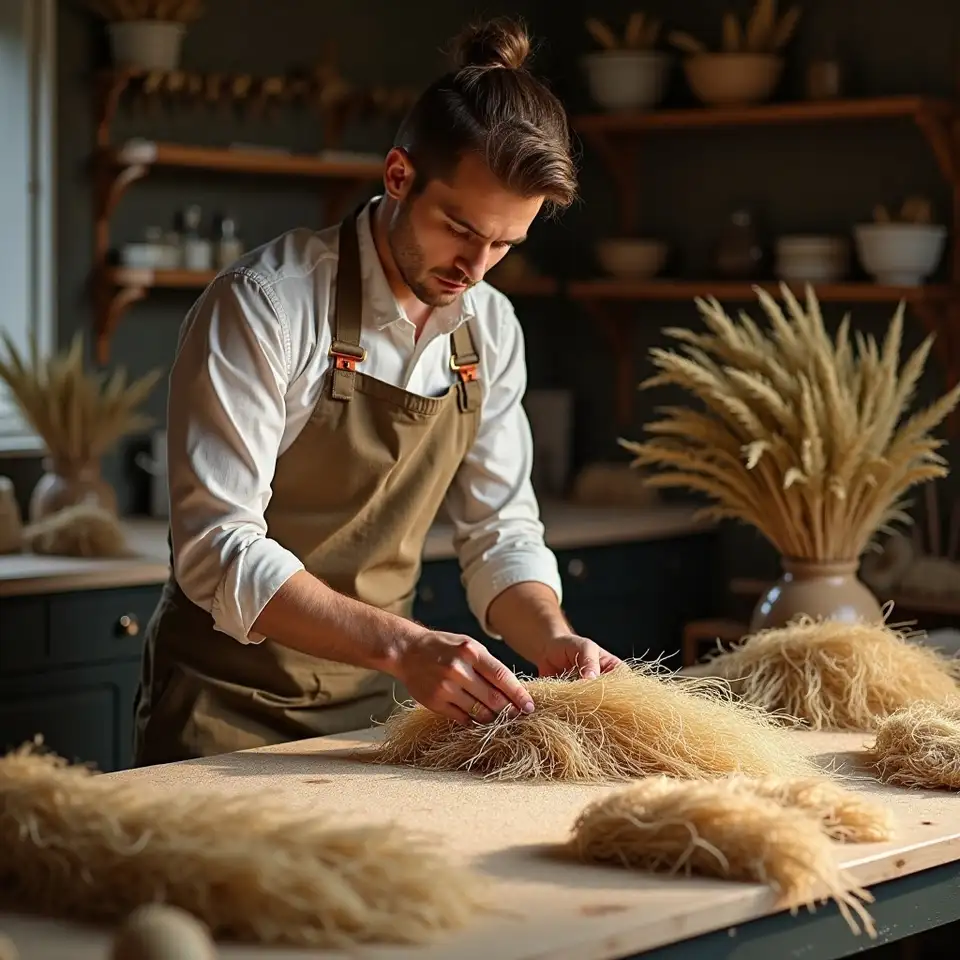
Every part of the sisal leaf has a use. Short fibers become stuffing. Discarded strands go to a local gardener for mulch. Nothing leaves the studio as landfill.

Honest Labor

I do not pretend this is effortless. Sisal weaving is repetitive, physical work. That repetition is what gives the final piece its consistency and strength.
Inside the Studio

Where fiber becomes something you can set a hot pan on.
Hero

Ready to See the Finished Pieces?

Every item in the collection started as a spiky green leaf and ended as a flat-woven surface you can actually use. If you want to know what sisal looks like when it is treated with patience rather than industrial chemicals, the portfolio shows the full range. Placemats that handle spilled wine. Coasters that do not warp under a hot mug. Trivets that can take a cast-iron skillet straight from the stove. No two pieces are identical because no two batches of fiber behave exactly the same. That variation is the point. Browse the work, read the specs, and reach out if something catches your eye.

View portfolio
This website uses cookies to remember your preferences, analyze site traffic, and improve your browsing experience. By continuing to use this site, you consent to our use of cookies. You can manage your preferences or withdraw consent at any time.